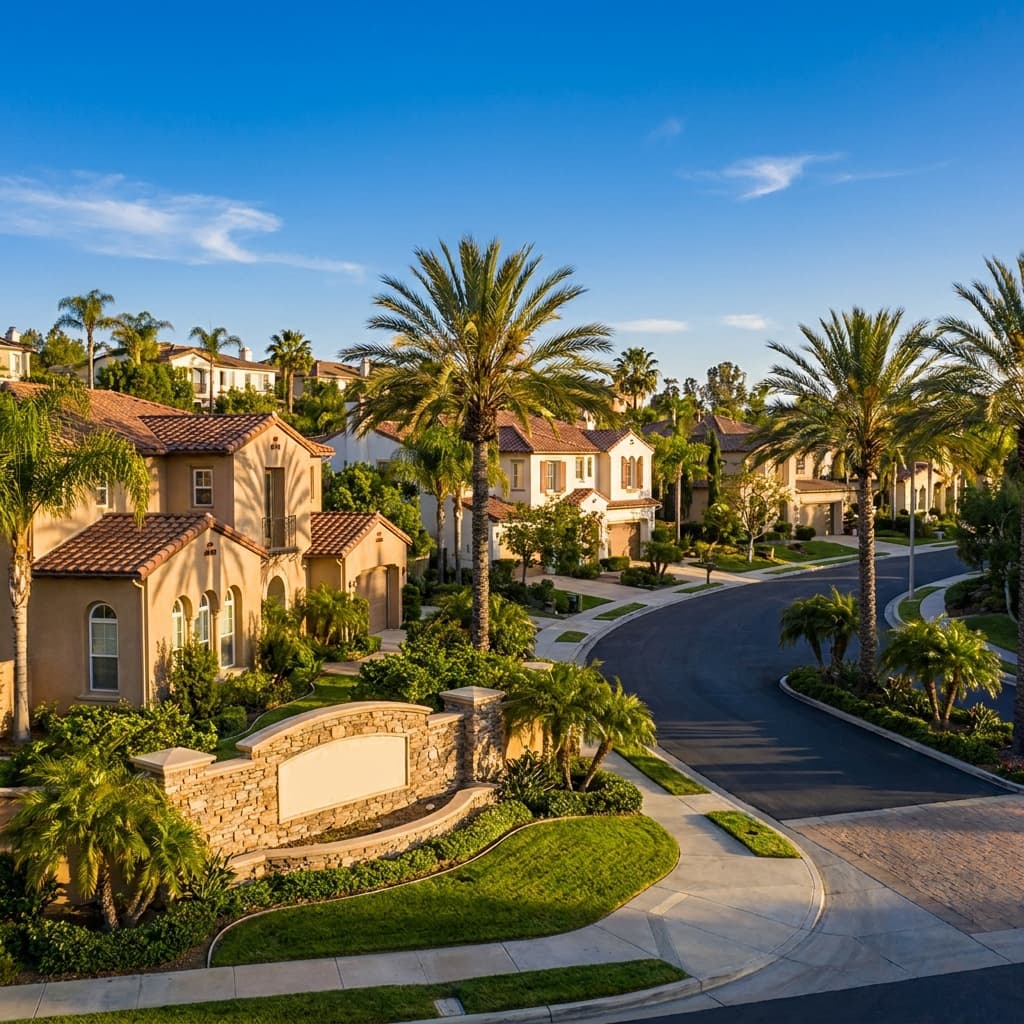
Florida is the HOA capital of the United States. With approximately 48,500 homeowners associations governing an estimated 10 million residents, Florida has more community associations than any other state. Chapter 720 of the Florida Statutes — the Homeowners' Association Act — is the primary law governing these communities.
Recent years have brought sweeping reforms to Florida HOA law, driven in part by the Surfside condominium collapse in June 2021 and subsequent investigations that exposed widespread governance failures across Florida community associations. SB 4-D (2024) and follow-up legislation have significantly expanded board obligations, homeowner protections, and financial reporting requirements.
This guide covers the key provisions of Chapter 720, recent legislative changes, and what Florida HOA boards need to know to operate in compliance.
Chapter 720: Overview and Applicability
Chapter 720 applies to all homeowners associations incorporated in Florida after October 1, 1995. Older associations may also be subject to many Chapter 720 provisions if they have amended their governing documents or if courts have interpreted the statute as applicable.
The statute covers:
- Creation and governance of homeowners associations
- Board duties and fiduciary obligations
- Meeting requirements for boards and members
- Assessment authority, liens, and collection procedures
- Enforcement powers including fines and suspensions
- Election procedures and board term limits
- Financial reporting requirements
- Record-keeping and homeowner access rights
- Dispute resolution procedures
Board Governance and Duties
Fiduciary Obligations
Florida HOA board members serve as fiduciaries of the association. Under Section 720.303(1), the board must exercise its powers and discharge its duties in good faith, with the care an ordinarily prudent person in a like position would exercise under similar circumstances, and in a manner the director reasonably believes is in the best interests of the association.
Board Member Education
Under the 2024 reforms, all newly elected board members must complete a board education course within 90 days of being elected or appointed. The course must cover the association's governing documents, Chapter 720, and the board's fiduciary responsibilities. Board members who do not complete the course are considered to have abandoned their seat.
Term Limits
Recent legislation limits board members to eight consecutive years of service (four two-year terms). Exceptions apply when there are not enough candidates to fill board seats. Term-limited members can serve again after a one-year absence from the board.
Meeting Requirements
Board Meetings
Board meetings must be open to all homeowners. The association must post notice of board meetings at least 48 hours in advance on the association's property and, if available, on the association's website. Notice must include the date, time, and location of the meeting. Homeowners have the right to attend and speak at board meetings, subject to reasonable time limitations set by the board.
Annual and Special Meetings
The association must hold an annual meeting of members for the election of directors and other business. Notice of the annual meeting must be mailed or delivered at least 14 days in advance. Special meetings can be called by the board or by petition of at least 10% of the total voting interests.
Quorum
Unless the bylaws specify otherwise, a quorum for member meetings is 30% of the total voting interests, either in person or by proxy. If a quorum is not achieved at the first meeting, the reconvened meeting typically has a reduced quorum requirement of the members present.
Assessments, Liens, and Collections
Assessment Authority
The board has the authority to levy regular assessments to cover the operating expenses and reserve contributions specified in the annual budget. The budget must be adopted at a properly noticed board meeting. If the budget requires an assessment increase of more than 115% of the prior year's assessment, homeowners may petition for a special meeting to vote on the increase.
Liens and Foreclosure
Under Section 720.3085, the association has a lien on each parcel for unpaid assessments, late charges, interest, and reasonable attorney fees. The lien is effective from the date the assessment becomes due and is superior to most other claims against the property except property tax liens and first mortgages recorded before the claim of lien.
The association may foreclose the lien in the same manner as a mortgage foreclosure. However, before filing a lien, the association must send a notice of intent to lien at least 45 days before recording the claim. This notice must be sent by first-class mail to the parcel owner at the address on the association's records.
Late Fees and Interest
The association may charge interest on late assessments at the rate specified in the declaration, not to exceed 18% per year (the maximum rate under Florida law). Late fees may also be charged if authorized by the declaration or bylaws. Accelerating all remaining annual assessments upon delinquency is permitted if provided in the governing documents.
Enforcement: Fines and Suspensions
One of the most frequently misunderstood areas of Florida HOA law is the fine procedure. Section 720.305 establishes specific requirements:
- Notice of violation: The board must provide the homeowner written notice of the specific violation.
- Hearing opportunity: For fines exceeding $100, the homeowner must be offered a hearing before a fining committee of at least three members who are not board members, their spouses, or co-residents.
- Committee approval: The fining committee must approve the fine before it can be imposed. If the committee does not approve the fine, it cannot be levied.
- Fine limits: Maximum of $100 per violation per day, not to exceed $1,000 in aggregate for any single, continuous violation.
Short-term rental violations are among the most common enforcement flashpoints in Florida communities. Remember that the CC&Rs are only one layer: Florida cities and counties — Miami Beach, Kissimmee, and Walton County among them — run their own vacation-rental registration and enforcement programs (see Florida short-term rental rules by city), and an owner can be compliant with the association while violating city rules, or vice versa.
The board may also suspend a homeowner's right to use common areas and facilities (but not the right to access their property) for up to 90 days for a violation. Suspension of voting rights is permitted for homeowners more than 90 days delinquent on assessments.
Elections and Voting
Florida HOA election procedures are governed by Section 720.306. Key requirements:
- Elections must be held at the annual meeting of members
- Written notice at least 14 days before the election
- Secret ballots are required for contested elections
- Proxy voting is permitted for elections unless the bylaws prohibit it
- Homeowners may nominate candidates by petition or from the floor (depending on bylaws)
- Co-owners of a parcel may designate one person to vote, but the vote may not be split
Under the 2024 reforms, board members are limited to 8 consecutive years. Associations with 100+ parcels must use an independent election monitor if requested by a candidate or 10% of the membership.
Financial Reporting Requirements
Florida imposes tiered financial reporting requirements based on association revenue:
| Annual Revenue | Required Report | Estimated Cost |
|---|
| Over $500,000 | Full CPA audit | $5,000 - $15,000 |
| $300,000 - $500,000 | CPA review | $3,000 - $7,000 |
| $150,000 - $300,000 | CPA compilation | $1,500 - $3,500 |
| Under $150,000 | Cash receipts/disbursements report | Self-prepared |
The membership may vote to waive or reduce the financial reporting requirement for any given year by a majority vote at a properly noticed meeting. However, boards should carefully consider whether a waiver is appropriate given their fiduciary obligations.
Reserve Studies (Post-2024 Reforms)
Following the Surfside tragedy, Florida enacted mandatory structural integrity reserve study (SIRS) requirements for buildings three stories or taller. While this primarily affects condominiums under Chapter 718, HOAs that manage multi-story buildings are also impacted. Reserve studies must include:
- Structural component inventory and condition assessment
- Estimated remaining useful life and replacement cost for each component
- Recommended annual reserve funding to maintain adequate reserves
- Milestone structural inspections at 25 and 30 years after construction
Boards may no longer waive or reduce reserve funding for structural components. This is one of the most significant changes from the 2024 reforms. Deadlines, covered buildings, and funding rules are summarized on our Florida reserve study requirements page.
Record Access and Transparency
Section 720.303(4) gives homeowners broad access to association records. The association must maintain and make available:
- Articles of incorporation, bylaws, and all amendments
- Board meeting minutes for the past 7 years
- Financial records including budgets, financial statements, and receipts
- Insurance policies and certificates
- All contracts, leases, and service agreements
- Assessment rolls and account statements
- Correspondence relating to the association
Records must be available for inspection within 10 business days of a written request. The association may charge a reasonable fee for copying (not to exceed $0.25 per page). Failure to provide access within the required timeframe can result in the homeowner recovering attorney fees and a per-day penalty.
Using Software for Chapter 720 Compliance
Florida's complex HOA requirements make management software particularly valuable. Key compliance areas where software helps:
- Financial reporting: Automated general ledger and financial reports simplify the preparation of annual statements at every revenue tier. Platforms like Effortless HOA generate trial balance, income statement, balance sheet, and general ledger detail reports that CPAs can work with directly.
- Assessment tracking: Automated billing, delinquency tracking, and aging reports ensure the 45-day pre-lien notice requirement is met and documented.
- Meeting notices: Automated notice distribution with delivery tracking satisfies the 48-hour board meeting and 14-day annual meeting notice requirements.
- Record access: Centralized document management makes it easy to respond to homeowner inspection requests within the 10-business-day window.
- Election management: Online voting with anonymous ballots satisfies the secret ballot requirement while making quorum easier to achieve.
- Fine tracking: Violation and fine tracking ensures the required notice → hearing → committee approval workflow is followed and documented.
- Reserve tracking: Budget management with reserve fund tracking helps boards comply with the new reserve study and funding requirements.
The Bottom Line
Florida HOA law is among the most detailed and prescriptive in the nation. The combination of Chapter 720's established requirements and the sweeping 2024 reforms means Florida boards face more compliance obligations than boards in most other states. The penalty for non-compliance is significant: personal liability for board members, unenforceable actions, and potential criminal charges for fraud.
The best protection for Florida HOA boards is a combination of education, professional advice, and technology. Take the required board education course, work with a Florida HOA attorney for complex issues, and use management software to automate the compliance-critical processes that Chapter 720 requires. For more state law guides, see our coverage of California, Texas, Oregon, and Washington HOA laws.